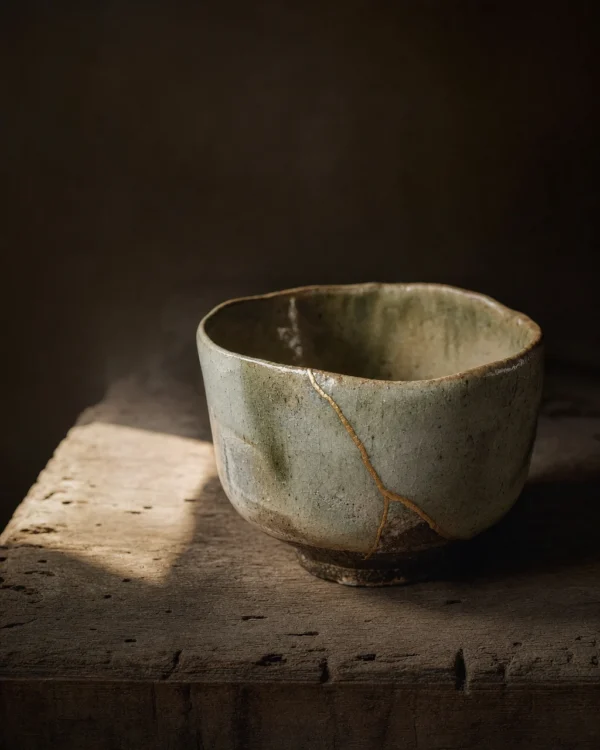
A half-glazed dinner set has been drying under a damp towel in someone’s garage for six months now, waiting on a second Saturday that never lines up with the first. That’s the tell for every project on this list: none of them fit into a spare hour after dinner.
Clay doesn’t care about your Tuesday evening. Some pieces need two or three days strung together — throw, dry, bisque, glaze, fire, and often a second firing after that — and trying to squeeze that into stolen half-hours just means more cracked greenware and more re-dos.
And that’s fine. The eight projects below are the ones worth clearing an actual long weekend for. Block out Friday night through Sunday and tell people you’re unreachable. Treat the clay like it’s the only thing on the calendar this weekend.
A Wheel-Thrown Dinner Set for Eight
Level: Advanced
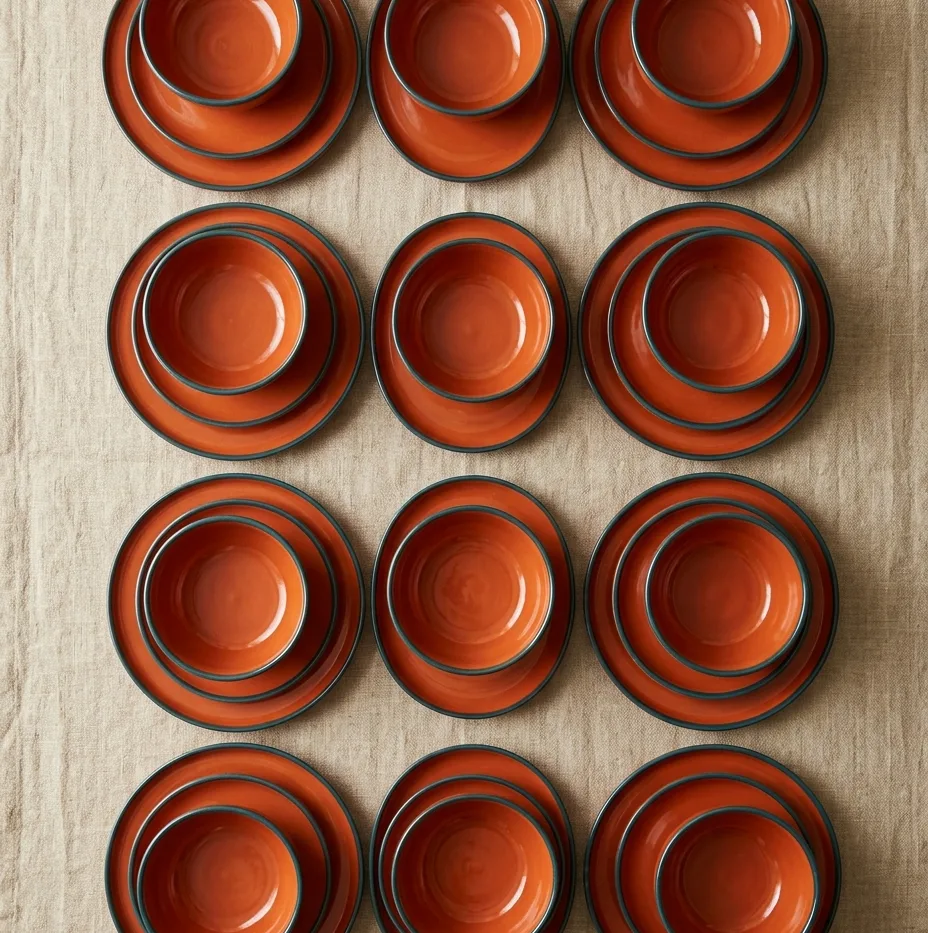
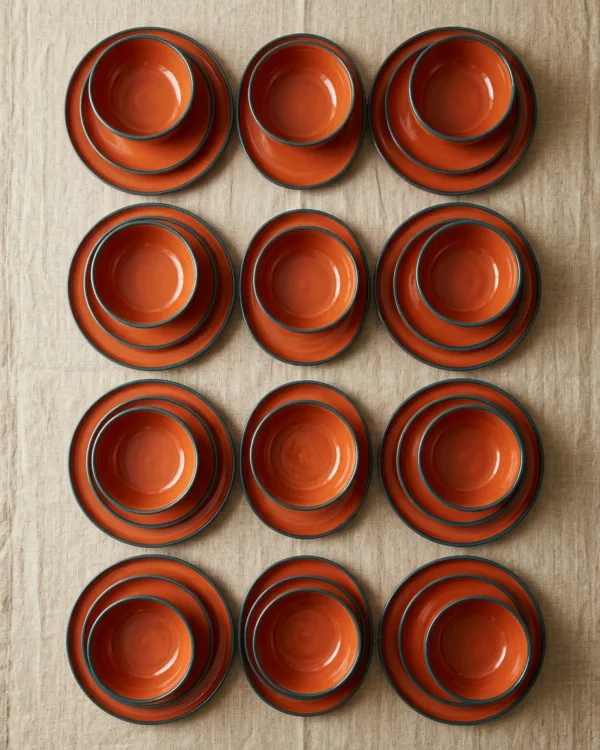
Centering the same amount of clay eight times in a row is where most people’s first dinner set falls apart — not because the throwing itself is hard, but because plate five never quite matches plate one. Budget a full day just for throwing the plates and bowls. Trim everything leather-hard the next morning so the rims stay round instead of warping under their own weight overnight. Bisque fire before glazing, always — glazing greenware straight off the wheel is how a $40 bag of clay turns into a stack of expensive shards. One glaze color across all two dozen pieces reads as intentional. Two colors mixed randomly across two dozen pieces reads like a garage sale. Fire the glaze load separately from the bisque, and don’t unload the kiln early just because everyone’s tired of waiting on a Sunday night.
A Coil-Built Garden Planter
Level: Intermediate
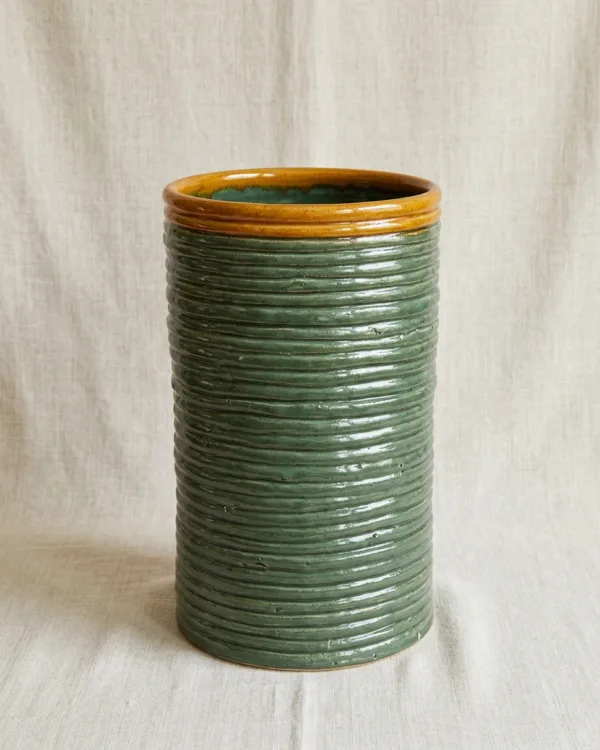
Not something you can rush — a planter this size holds a genuine weight of wet soil once it’s planted, so the walls need real thickness: figure 15mm minimum, more at the base. Coil it up over two sessions, letting the lower half firm up before the upper half goes on, or the whole thing slumps sideways under its own gravity. Give it two full days to dry evenly before it goes anywhere near a kiln. Rushed drying is the single most common way this piece cracks straight through the wall.
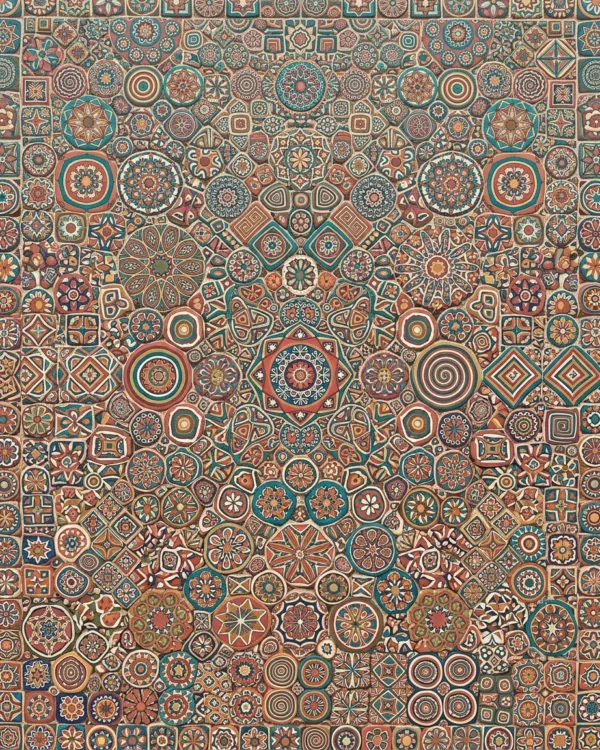
A Polymer Clay Mosaic Tabletop
Level: Intermediate to advanced
But canes take patience nobody has after a normal workday. Reducing a single cane down to the size a mosaic actually needs is a slow, repetitive pull that can eat three or four hours on its own, and a tabletop this size needs a dozen different canes, not two or three. Slice them thin and consistent — uneven slices are the first thing anyone notices once the tiles are laid out. Lay the entire pattern dry on the tabletop base before committing a single piece, because moving baked polymer later means chiseling it back off. Bake in sections if the table won’t fit in one oven load. What separates a finished piece from a hobby-shelf reject is almost always the grout line width, kept even across every seam.

A Near-Life-Size Portrait Bust
Level: Advanced
Faces are unforgiving. A millimeter off on eye spacing is obviously wrong even to someone who couldn’t say why. Build the armature first — a life-size head is heavy enough that unsupported clay will sag by the second day if there’s nothing underneath it. Rough in proportions on day one, then refine on day two. Save day three for the ears and the awkward transition where the neck meets the shoulders — that seam is where most first busts fall apart visually. Air dry clay needs to lose moisture slowly and evenly through all of this, or the face cracks right down the nose.
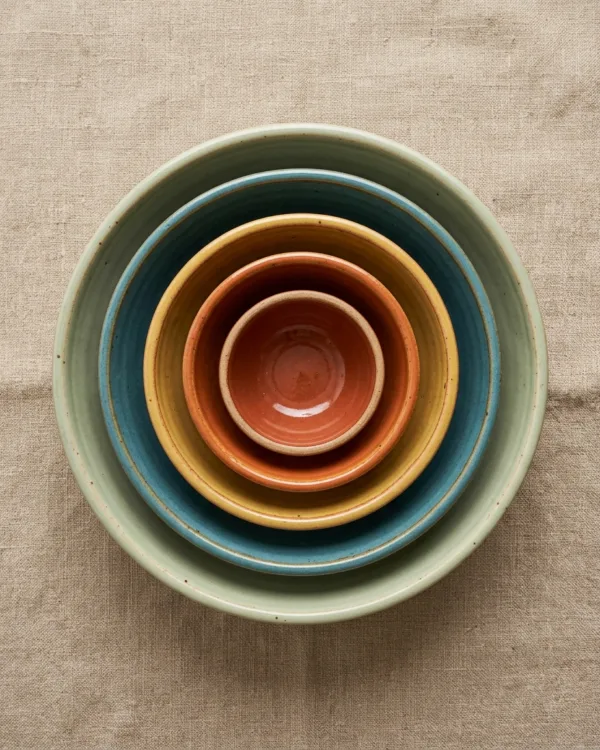
A Nesting Set of Five Graduated Bowls
Level: Intermediate
Five bowls that actually nest need diameters spaced with real math behind them, not eyeballed. A consistent 15% size drop between each bowl keeps the stack looking deliberate instead of random. Throw largest to smallest so a wobble on the last, smallest bowl doesn’t throw off the set’s proportions, then bisque all five together before glaze-testing on a spare tile — a glaze that looks right on one bowl can pool unevenly once it’s inside a nested curve instead of a flat plate. Two firings, minimum, and don’t stack the glazed bowls back into each other until the kiln has fully cooled.
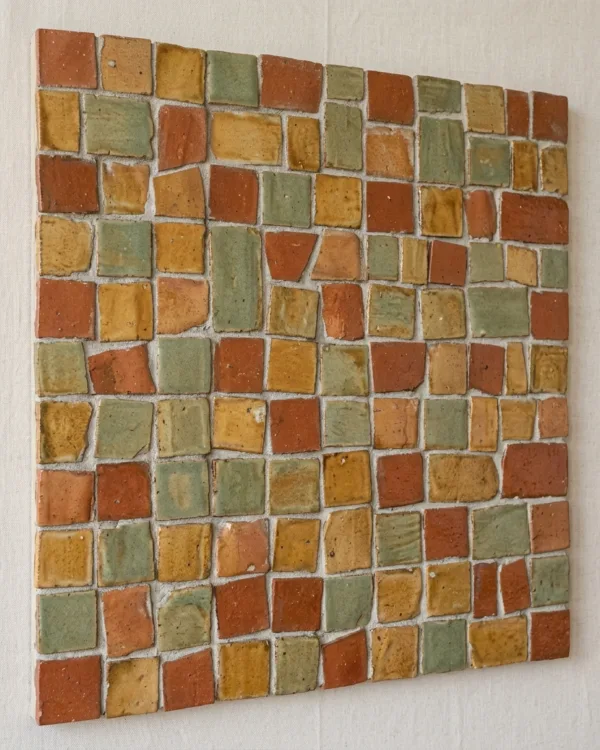
A Hand-Cut Tile Accent Wall
Level: Intermediate
Sixty tiles is a realistic count for a modest fireplace surround, and cutting that many by hand takes longer than anyone plans for. Roll slabs to one even thickness across the entire batch — a tile that’s 8mm on one side and 11mm on the other won’t sit flush once it’s on the wall. Cut, then let every tile dry under plastic for a full day before uncovering them, or the edges curl while the centers stay damp. Bisque in batches if the kiln can’t hold all sixty at once. Glazing and installation are a separate weekend entirely; this one is just getting sixty flat, uncurled tiles to the kiln in one piece.
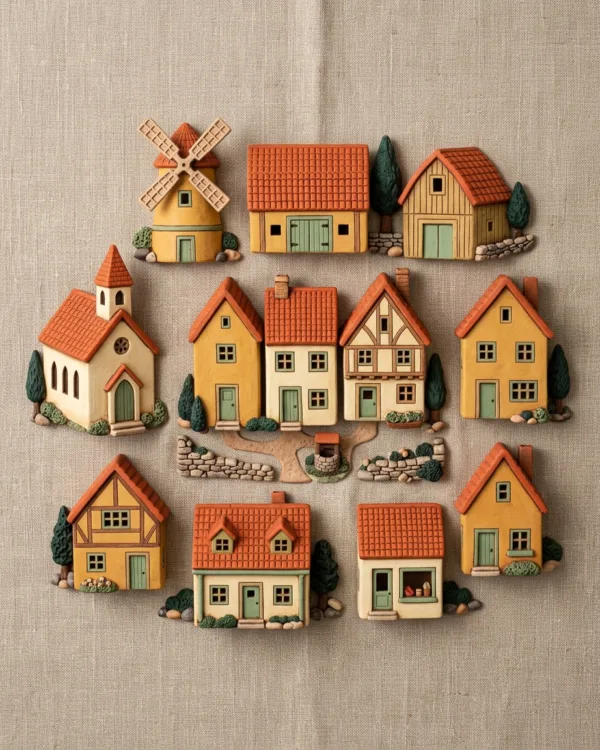
A Miniature Clay Village
Level: Beginner to intermediate
A dozen tiny buildings sounds like a weekend project until the first one takes ninety minutes on its own. Batch the work instead of finishing one house at a time — roll every wall panel first, then every roof, then do doors and windows last across the whole group. Consistency matters more than detail here. A row of houses at slightly different scales looks like a mistake, not a style. Keep a single light source in mind while adding texture, since shadows from a scored roof or a pressed-brick wall are most of what makes the village photograph well later.
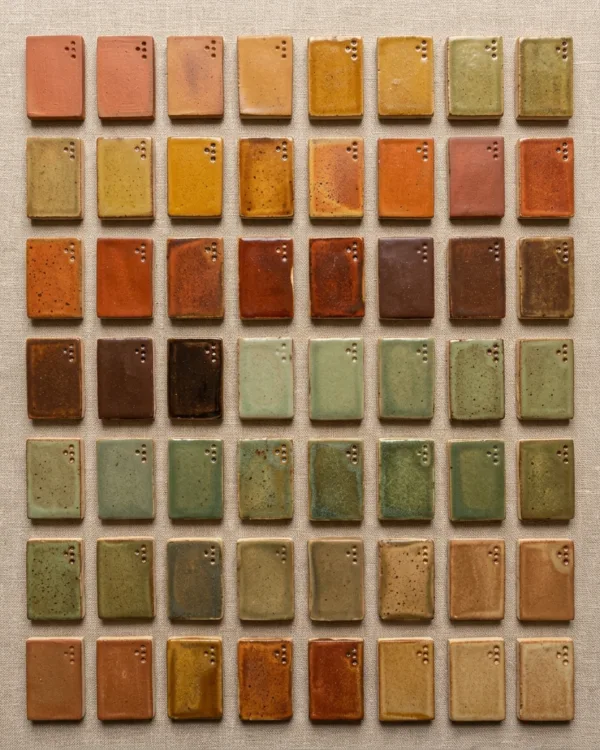
A Full Glaze-Test Tile Library
Level: Advanced
A proper test library means testing every glaze at more than one cone, since the same glaze can look completely different fired to cone 5 versus cone 6. Cut the tiles, stamp each one, then number them before anything touches a glaze — forty or fifty is a normal count for a serious library, and skipping the numbering step is how a useful reference turns into a kiln full of mystery tiles. Dip each tile the same depth and angle, or the test stops being a fair comparison between glazes. This is the least glamorous project on the list, and also the one that saves the most ruined pieces later, once every other project on this page turns into a real glaze decision.